
Why Professional Organizers Recommend Decluttering by Category Instead of Room by Room
If you’ve ever spent hours organizing your kitchen only to find three spatulas in a random drawer, a box full of batteries in the garage, or enough half-used cleaning supplies to stock a small store in the laundry room, you are not alone. We totally see you.
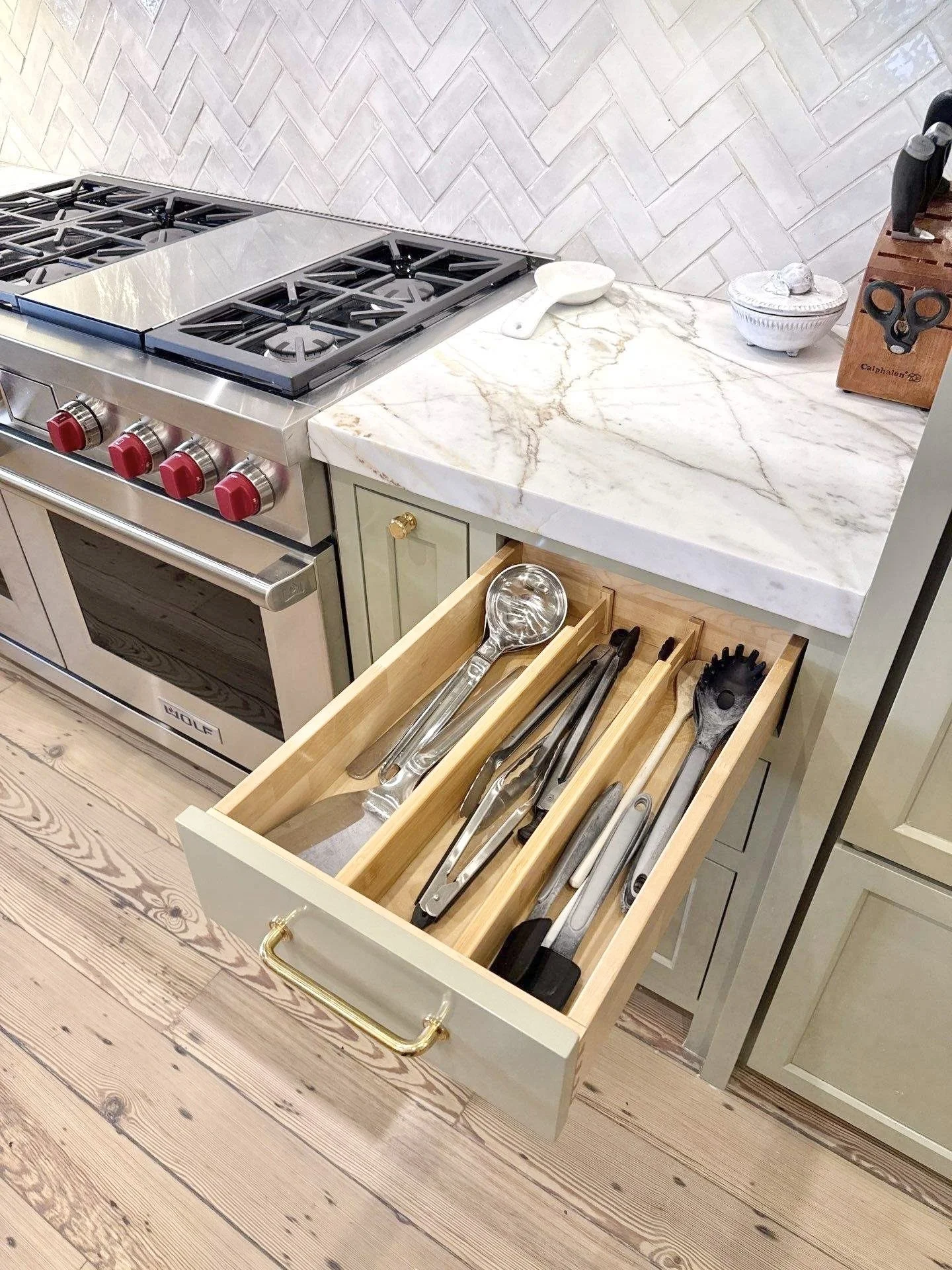
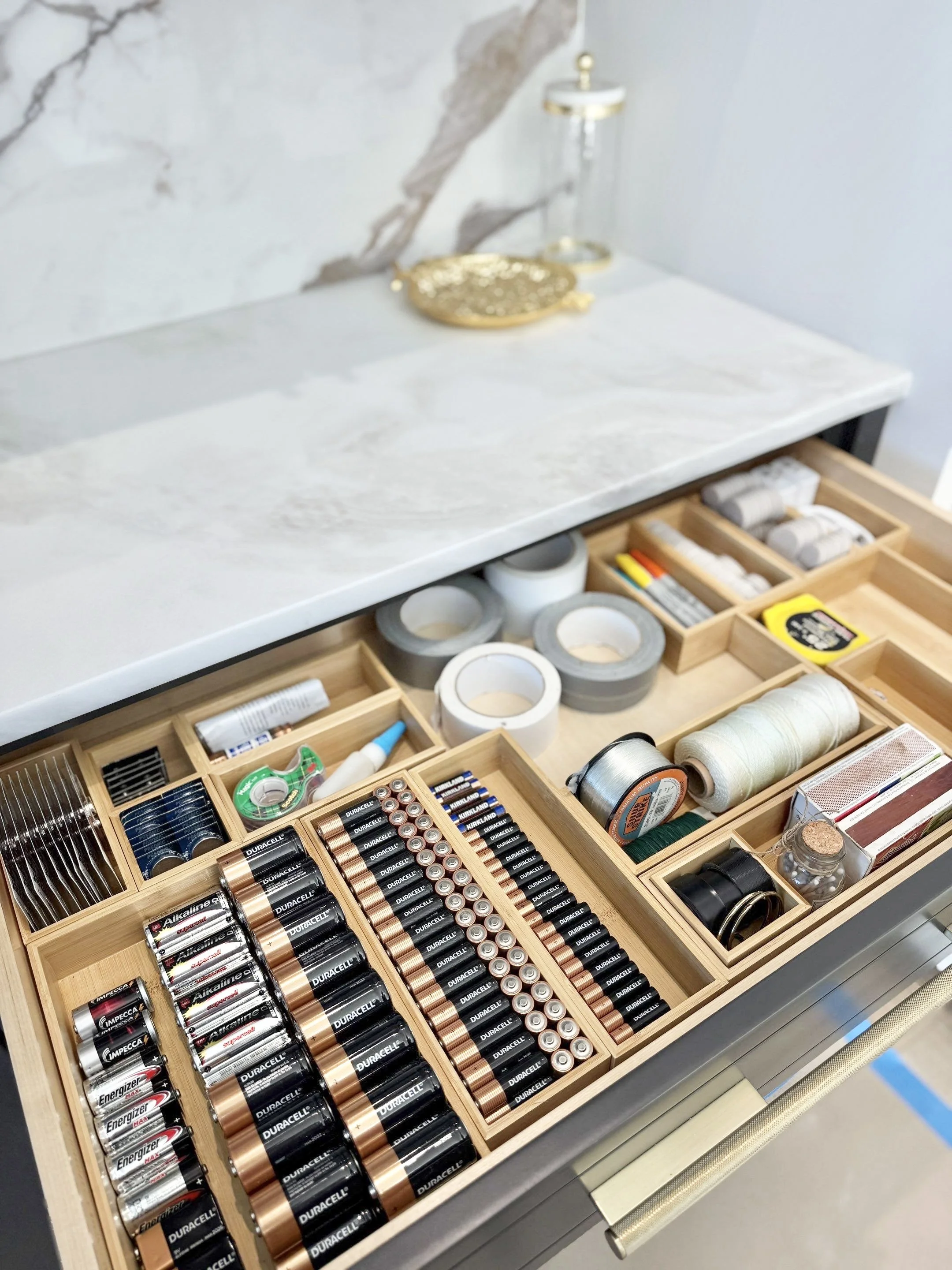
When most people decide it's time to clean up their lives and get rid of all the things, they naturally think, “I'll start with the bedroom” or “This weekend I'll organize the pantry.” While organizing one room at a time certainly has its place, it's often not the most effective way to reduce clutter.
As professional organizers, we almost always recommend a different approach: decluttering by category rather than by room.
It may seem like a small shift, but trust us when we tell you that it completely changes how you see your belongings. Even better, it often leads to faster decisions, less clutter, and systems that actually last.
Why Decluttering by Category Works So Well
The biggest benefit of decluttering by category is simple. When you declutter room to room, as the old saying goes, you often miss the forest for the trees. In other words, decluttering by category shows you the whole picture.
The fact of the matter is, most of us store similar items all over the house. Extra towels aren't just in the linen closet. They're tucked into guest room closets or laundry room cabinets, etc. Office supplies end up in kitchen drawers, home offices, backpacks, and junk drawers. Cleaning products, meanwhile, tend to magically migrate from bathrooms to laundry rooms, garages, and under the kitchen sink.
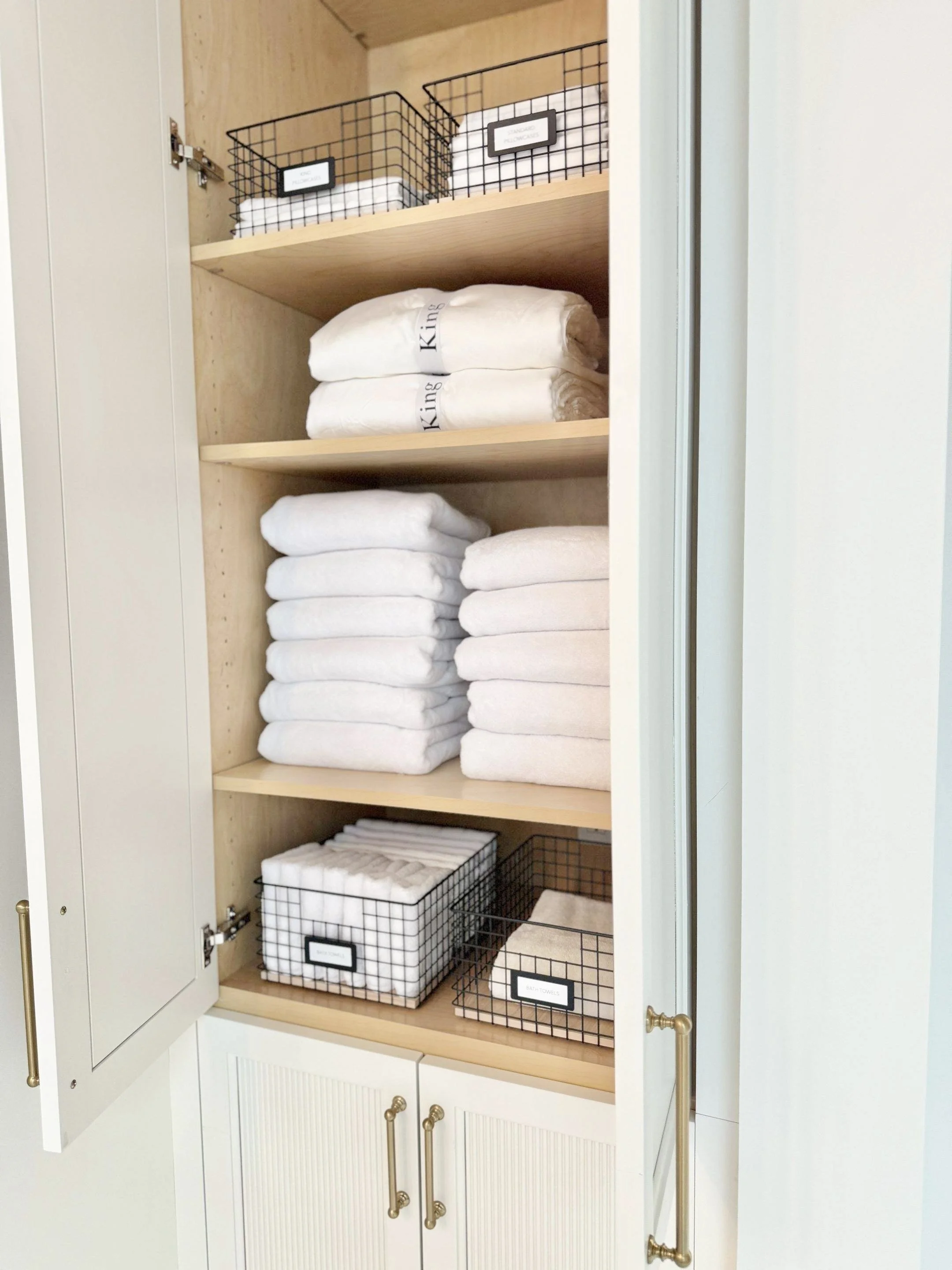
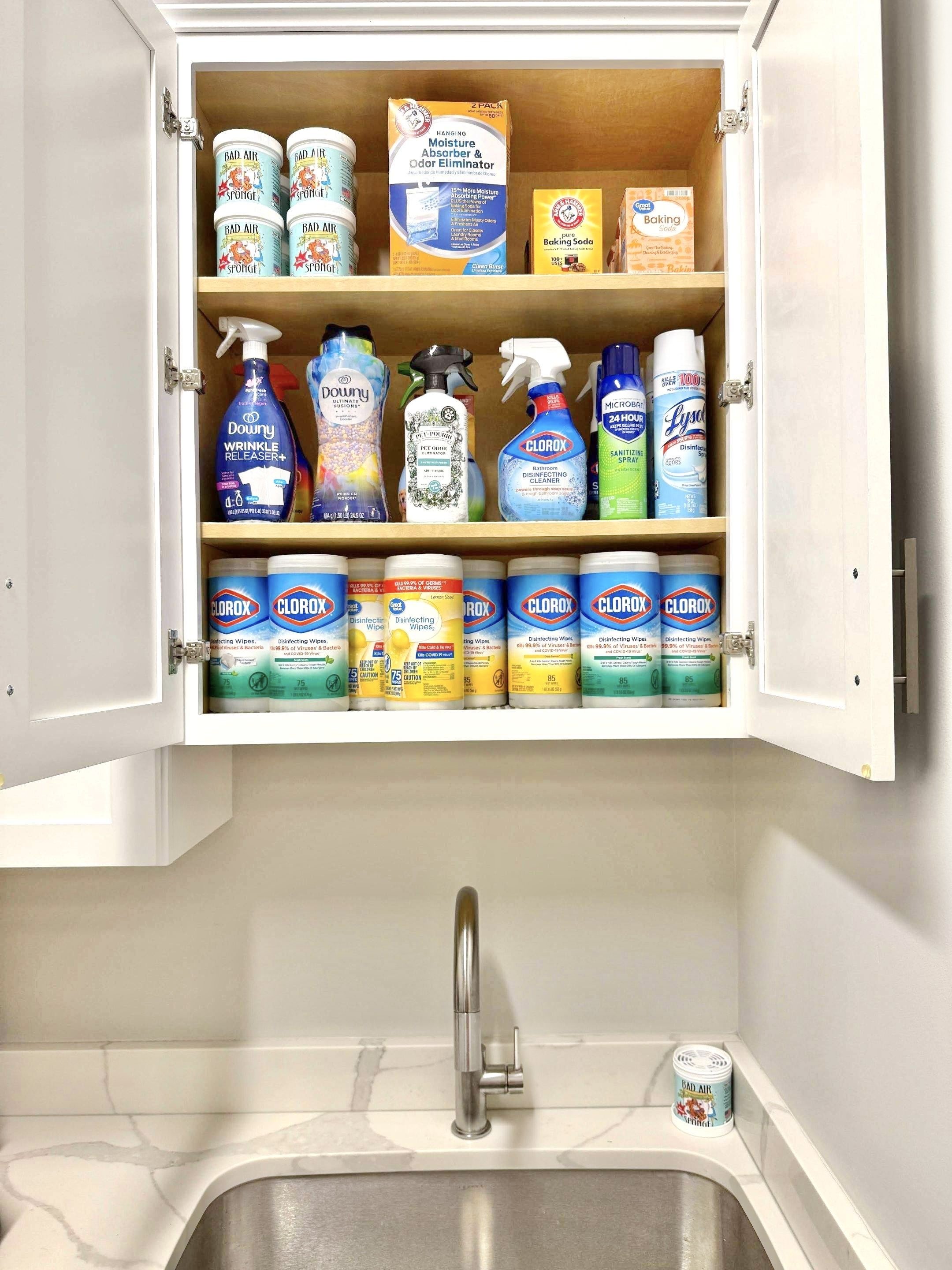
When you organize one room at a time, you're probably only seeing a fraction of what you actually own. For instance, Roger, who is an avid knitter, liked to knit while watching TV in the living room, in his bedroom before bedtime, and sometimes in the kitchen while waiting for the oven timer to go off. He also had the habit of working on multiple projects at any one time. You can see where I’m going with this. He literally had yarn or a half-finished project tucked in some box, drawer, or cabinet in just about every room.
Like Roger, once you gather every like-item together, something changes. You might discover:
Six pairs of scissors
Fifteen reusable water bottles
Four unopened bottles of the same cleaner
A stack of notebooks you'll probably never fill
Three nearly identical black cardigans
Or a whole lot of yarn.
Seeing everything together makes it much easier to make thoughtful decisions. Instead of just asking yourself, “Should I keep this?” you naturally begin asking, “How many do I actually need?”
And that, my friend, is where real decluttering begins.
You're Not Just Organizing—You're Editing
One of the biggest misconceptions about organizing is that it's mostly about finding better storage containers. In reality, professional organizing starts long before labels and baskets.
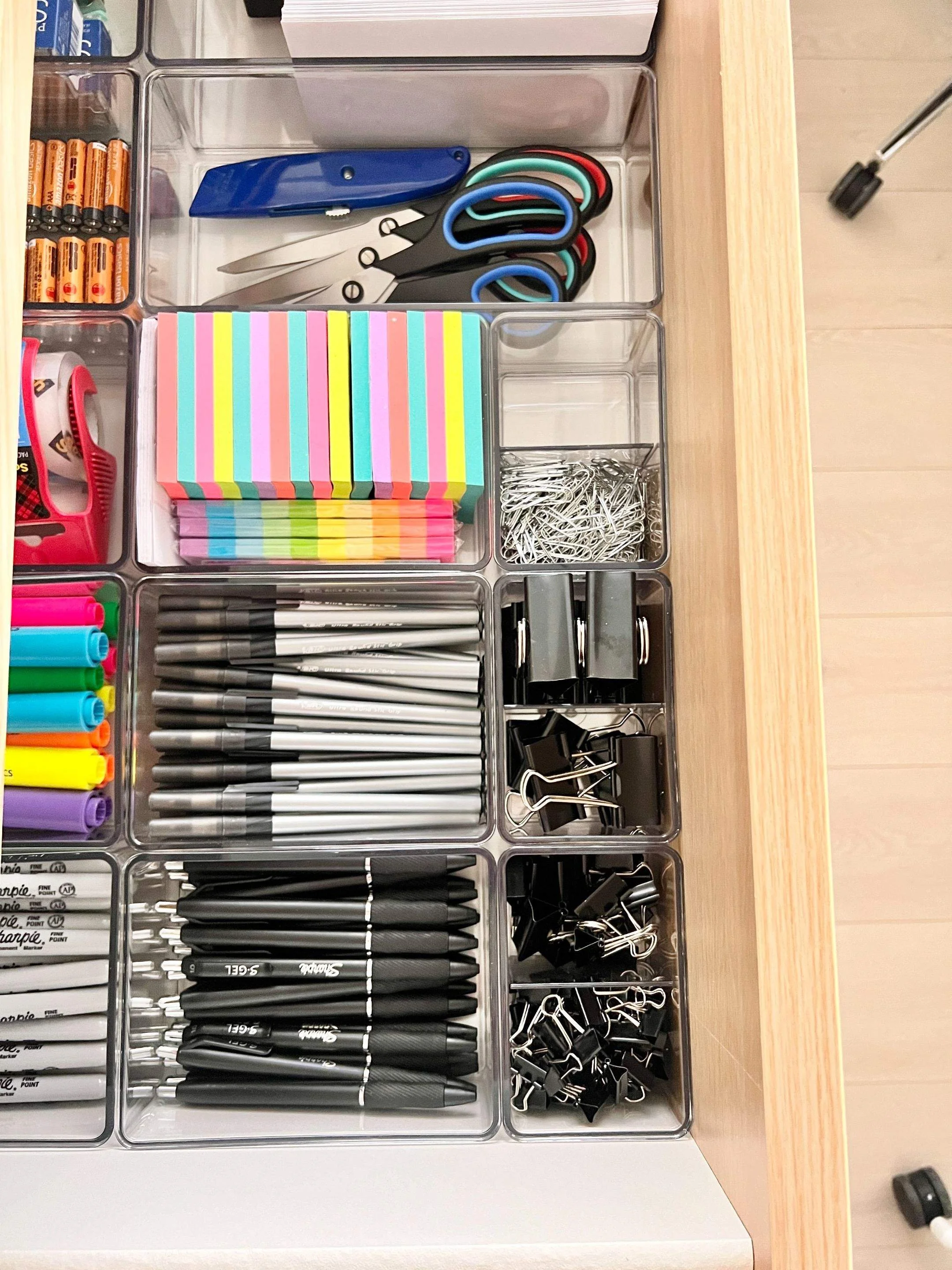
Think of yourself as the editor of your home. Editors don’t just rearrange words. They cut out phrases that are redundant. They ruthlessly delete anything and everything that doesn't contribute to the story. This same principle applies to your belongings.
Rather than trying to organize everything you've accumulated over the years, you're carefully deciding what deserves space in your home and in your life. Moreover, when you edit first, organizing becomes much easier because there's simply less to manage.
Which Categories Should You Declutter?
The good news is that almost every category works well with this approach.
Some of our favorites include:
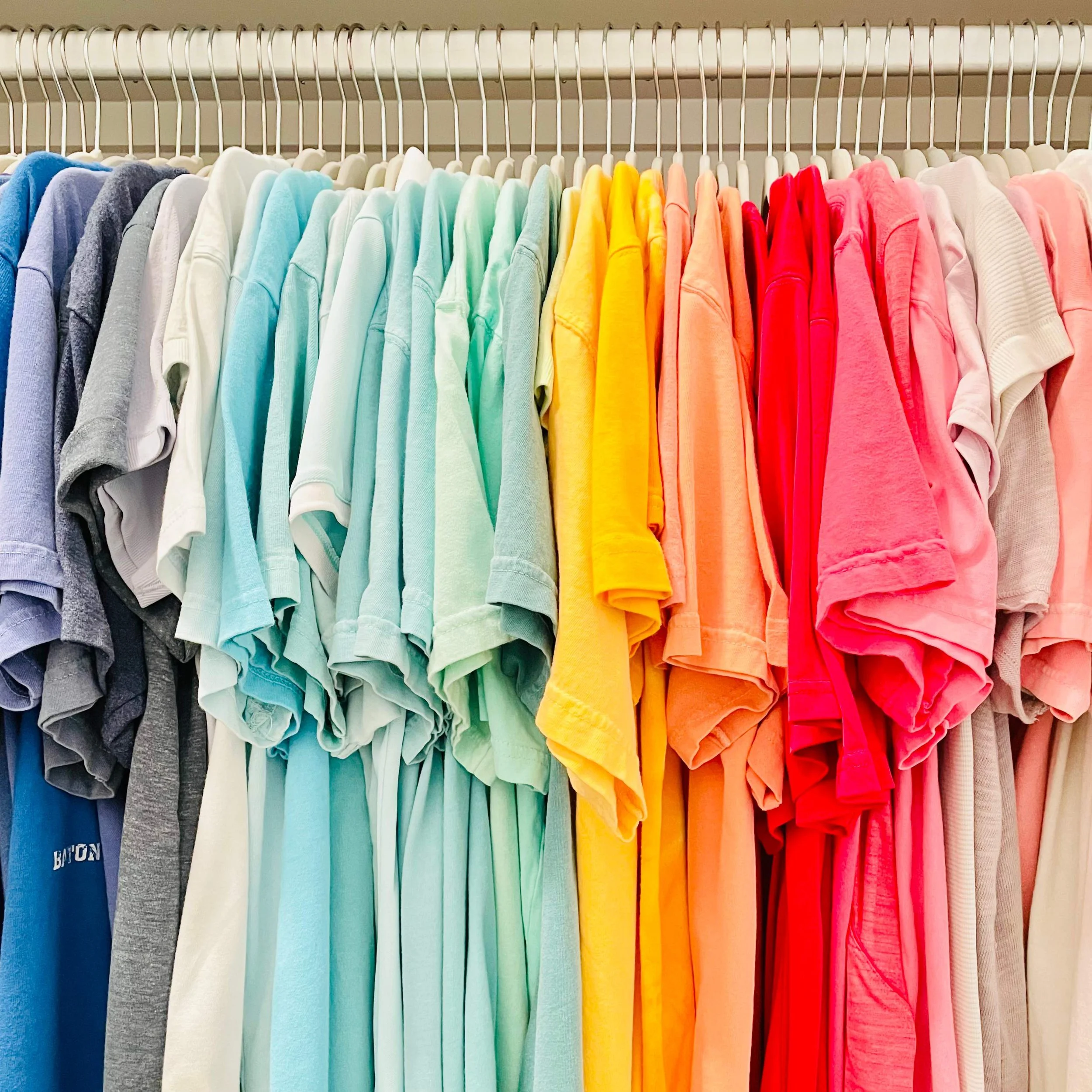
Clothing
Shoes
Towels and linens
Cleaning supplies
Pantry items
Office supplies
Toys
Books
Kitchen gadgets
Beauty products
Holiday decorations
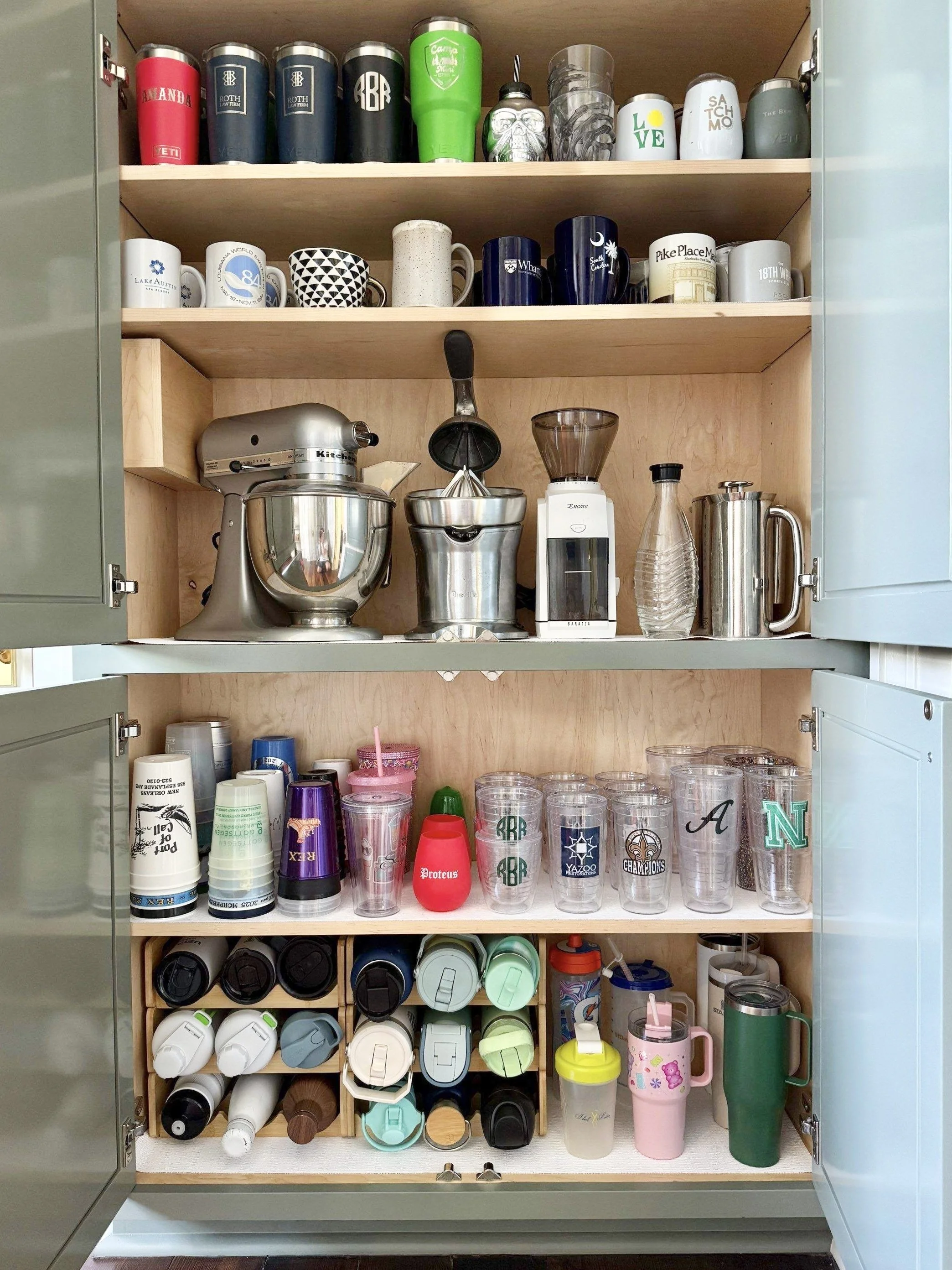
Water bottles and travel mugs
A simple rule of thumb is this:
If the same type of item is stored in more than one place, it's a great candidate for category decluttering.
How to Declutter by Category
If you've never tried this method before, start small. Choose one category, not an entire room. Let's say you're tackling cleaning supplies. Walk through your home and gather every spray bottle, sponge, scrub brush, disinfecting wipe, microfiber cloth, and cleaning product you own. Yes, every single one.
Then lay everything out where you can see it. Only then should you begin deciding what to keep. You'll quickly notice duplicates, expired products, and items you forgot you even had. Instead of buying another all-purpose cleaner next month because you couldn't find the first one, you'll know exactly what you have.
And knowing exactly what you have and where they are is incredibly freeing.
The Two Goals of Decluttering
You might think that the goal is simply to get rid of things. While that's certainly part of it, there are actually two equally important goals.
The first goal is to edit down what you own.
Keep only those things you use, love, or truly need.
Second, create a designated home for everything you keep.
This step is often overlooked, but it's what keeps clutter from returning. When every category has one logical, consistent home, everyone in the family knows where to find things, and just as importantly, where to put them back. That's what transforms organizing from a one-time project into a sustainable habit.
One Mistake to Avoid
One of the biggest mistakes we see is starting too big. Motivation strikes, so people run to empty an entire closet, several cabinets, and half the garage—all in one afternoon.
Then life happens.
Dinner needs to be made.
Kids need help with homework.
The phone rings.
Suddenly every surface is covered with piles, and what began as an exciting project now feels overwhelming. The best thing to do is hold your horses when the urge strikes. Instead of trying to race to the finish, choose a category you can realistically finish in one session. This might be shoes, or coffee mugs, or bath towels, etc.
Completing one category from start to finish builds confidence and momentum. Instead of feeling exasperated and discouraged by the mess you’ve made trying to organize, you'll get to enjoy the fruits of your labor.
Don't Buy Storage Bins First
Here's another piece of advice that surprises many people: don't rush out to buy storage containers before you've decluttered. While it's incredibly tempting to organize first and edit later, organizing clutter is still organizing clutter.
While decluttering is admittedly not nearly as glamorous as all the pretty containers and labels you could buy, it’s a very necessary step in the process of beautifying your home. Once you've decided what you're keeping, you'll have a much better idea of the storage you actually need.
In many cases, people discover they need fewer bins, baskets, and containers than they expected, saving both money and space.
Why This Method Feels So Powerful
There's another reason category decluttering works so well, and it has to do with how our brains make decisions. When we evaluate items one at a time, we're much more likely to keep them.
"Should I keep this sweatshirt?"
Probably.
But when twenty sweatshirts are lying on the bed together, the question naturally becomes:
"Do I really need twenty sweatshirts?"
Seeing the full collection helps you identify duplicates, recognize your favorites, and let go of the items that no longer fit your life. It's a small mental shift that often leads to much bigger results.
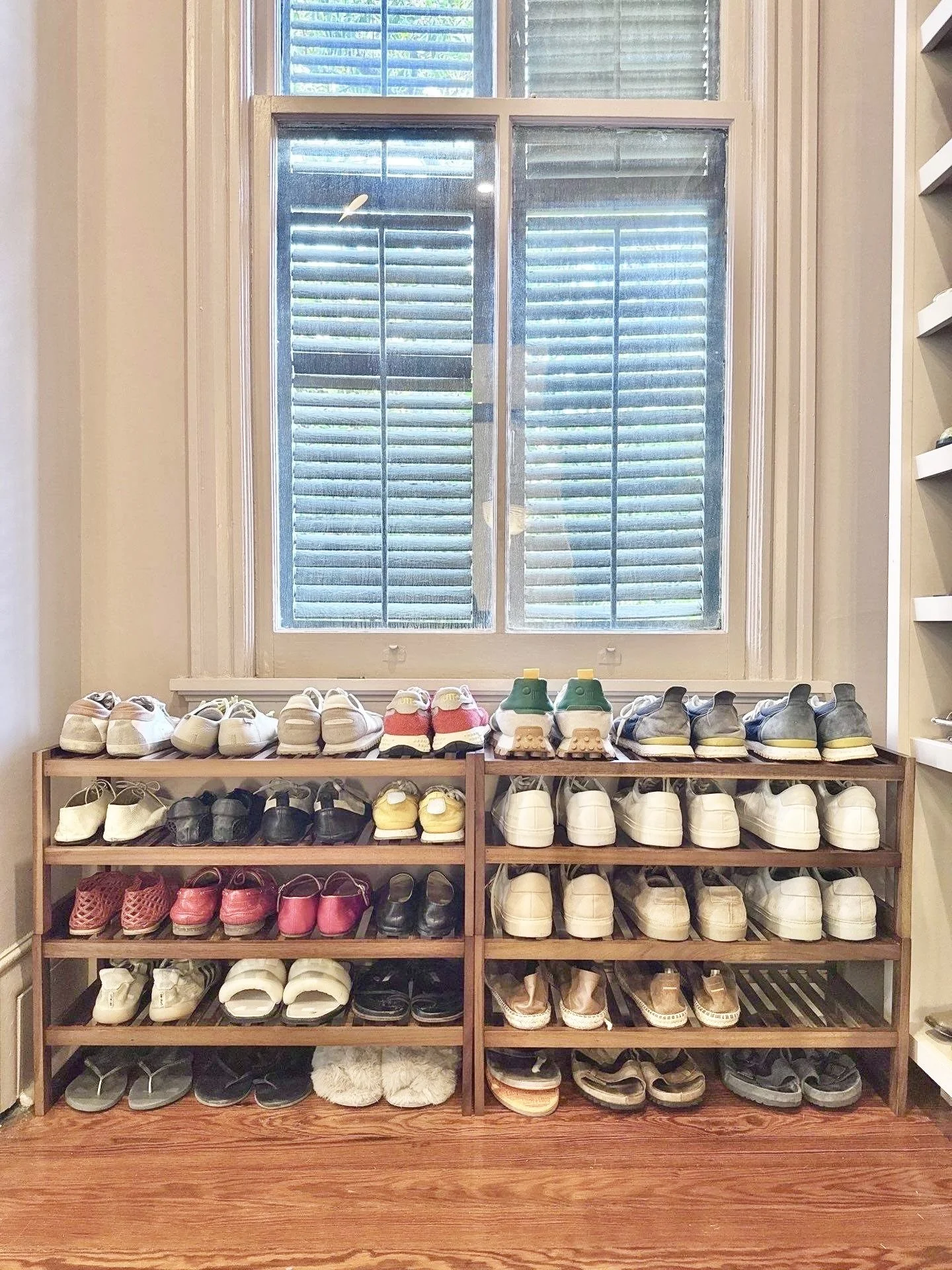
Small Changes Lead to Lasting Organization
Creating an organized home isn't about making everything perfect. It's about creating systems that make everyday life easier. Decluttering by category gives you a clearer picture of what you own, helps you make more intentional decisions, and creates practical homes for the belongings you choose to keep.
If you've been organizing room by room and still feel like you're spinning your wheels, try switching your approach. Take a step back. You might be surprised how much easier decluttering becomes when you finally see the whole picture.
The result of all this isn't just a tidier house. It's less time searching for things. Less money spent buying duplicates. Less stress when it's time to clean up. And more room for the things and the people that matter most.
Frequently Asked Questions
What should I declutter first?
Start with an easy, low-emotion category such as cleaning supplies, towels, water bottles, coffee mugs, or office supplies. Early wins build momentum for larger projects.
How long should a decluttering session last?
Choose a category you can comfortably finish in one session, usually 30 minutes to two hours. Completing one category is much more satisfying than leaving several unfinished.
Should I organize before I declutter?
No. Always declutter first. Once you've decided what you're keeping, it's much easier to create storage systems that are functional and easy to maintain.
What if I still feel overwhelmed?
You don't have to do it alone. Professional organizers can help you create a step-by-step plan, keep you focused, and design organizing systems that fit your home and your lifestyle.
Ready to Simplify Your Home?
Decluttering doesn't have to be exhausting or overwhelming. With the right strategy, you can make meaningful progress one category at a time and create a home that's easier to live in and easier to maintain.