
Stop Being a Weekend Warrior: How 5 Minutes a Day Can Save You 5 Hours
For a lot of people, getting organized happens in bursts. Maybe you’re going about your life in a normal way when suddenly inspiration strikes! Or maybe on a sunny Saturday you look around and find that you just can’t take it anymore, that closet brimming with clothes and every accessory that ever made your little heart flutter, or the pantry stuffed with enough cans, bottles, and boxes of dry goods to last you through a lifetime of hurricane parties. Or maybe, just maybe, you’re just trying to relax, a mug of steaming coffee in hand, when out of the blue you step on a piece of Lego or some indeterminate toy piece in the playroom.
Something happens and you reach a breaking point. You have to fix it, and you have to fix it now. So you spend half a Saturday pulling everything out and cleaning. You devote the following afternoon to sorting and putting everything back. Suddenly your weekend is gone but you feel accomplished. Then everything looks better for a while. Until it doesn’t.
This cycle is so common that many people begin to think of organization as a project, or as something that requires a free weekend of uninterrupted hours. But here’s the secret that can save you hours, lasting organization is less about the occasional marathon and more about the small choices you make every day. That is, in fact, the philosophy at the heart of Sorted.
Before we get into the how of it, let me tell you a little story. Long ago and not so far away, Sorted’s founder, Victoria, began noticing a frustrating pattern. She had always considered herself an organized person but after having children, she often found herself staying home on weekends to try to get organized while the rest of the family would head out for fun activities.
The recognition of that pattern was the turning point. Victoria realized that if she was constantly spending her free time managing the house, the systems in her home were not actually working. She spent several months intentionally decluttering, simplifying, and reorganizing every area of her home. The result was not simply a tidier house. She got her time back. Instead of constantly trying to catch up with clutter, she could spend her weekends doing the things she actually wanted to do like spending time with her family.
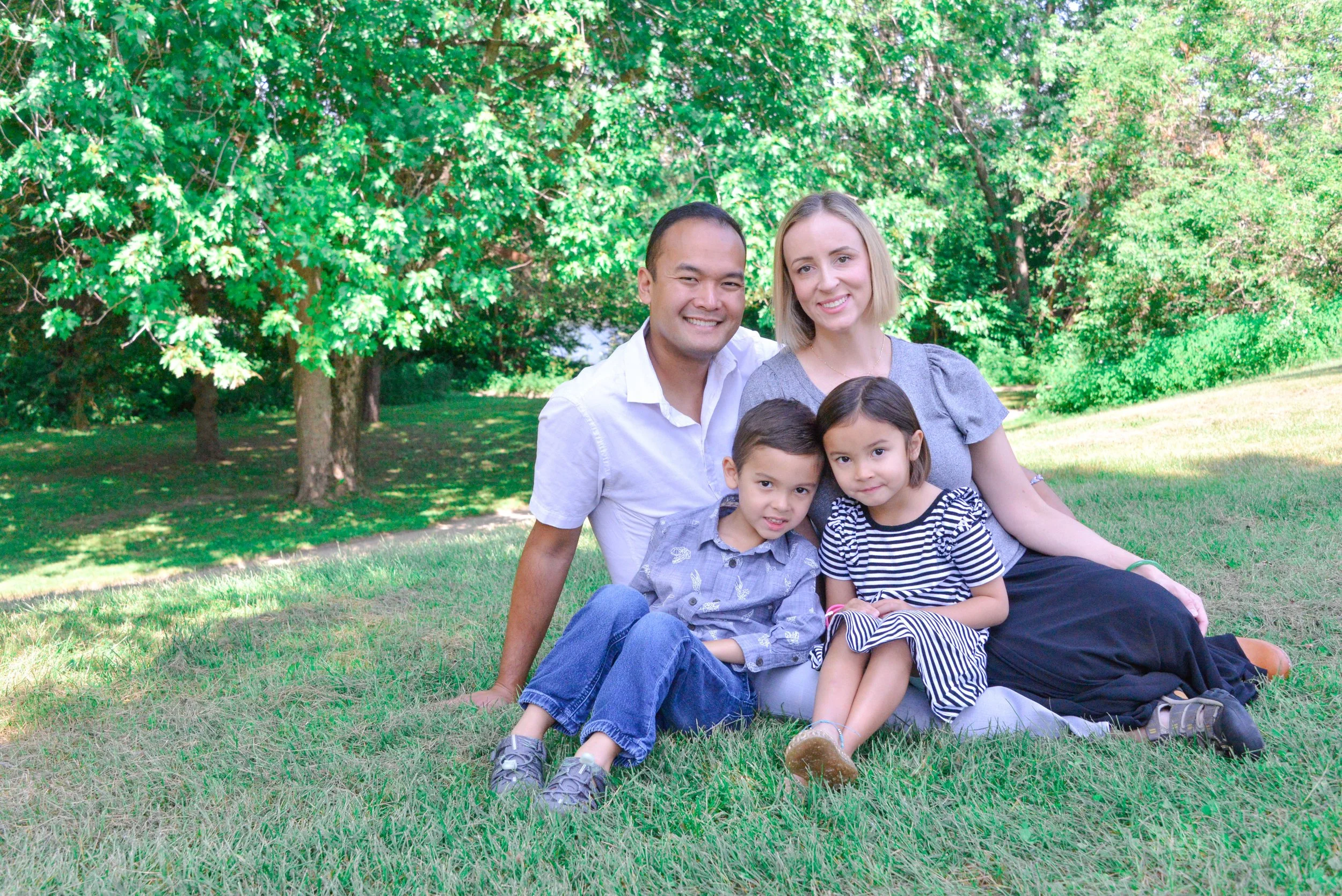

That experience ultimately became one of the foundational ideas behind Sorted: organization should support your life, not become another job.
The Weekend-Warrior Approach Doesn’t Last
To be clear, there is absolutely nothing wrong with a good decluttering session. Sometimes a closet really does need several hours of attention. Seasonal resets can also be quite helpful, especially in high-use areas such as kitchens, closets, and playrooms.
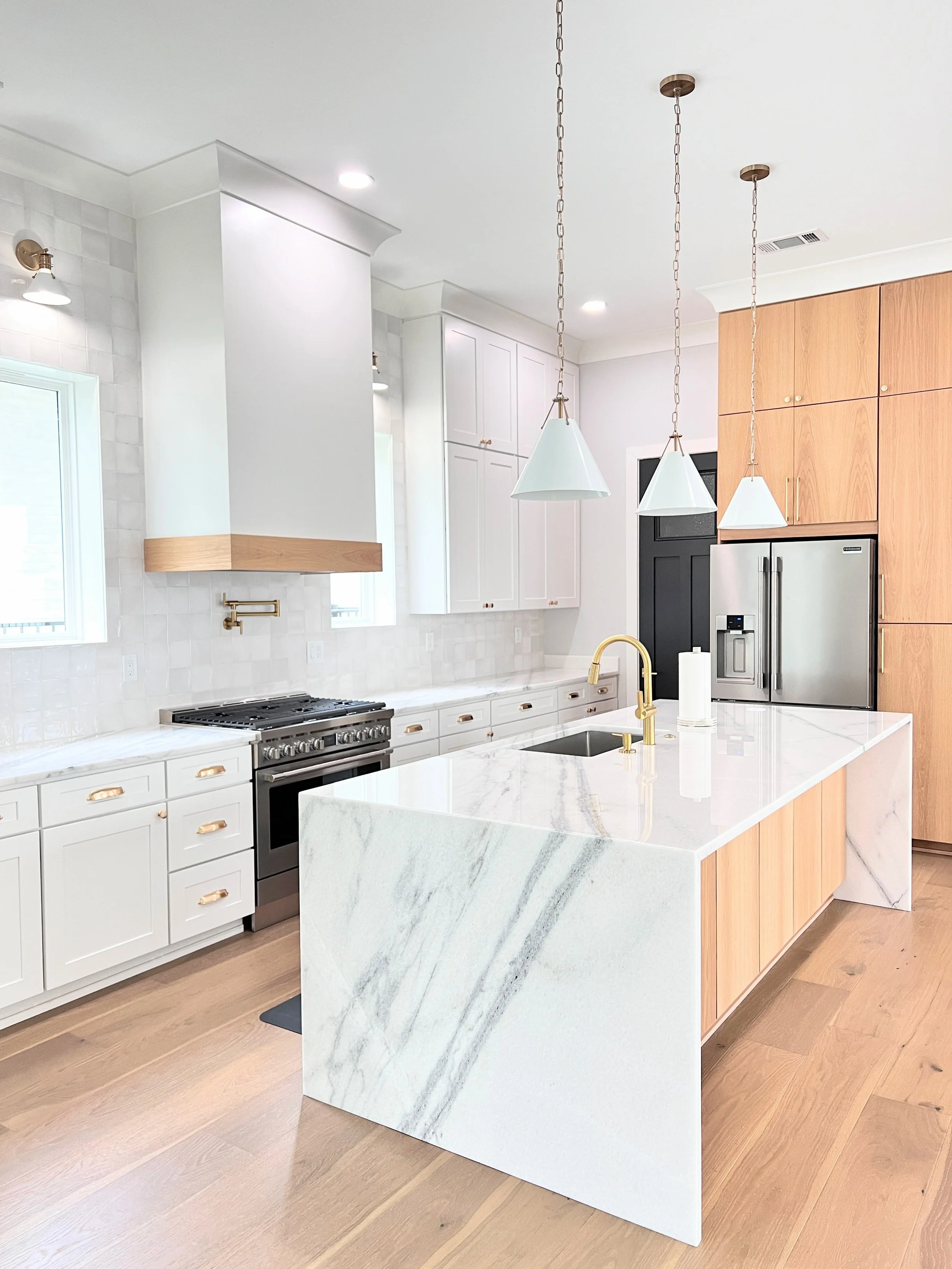

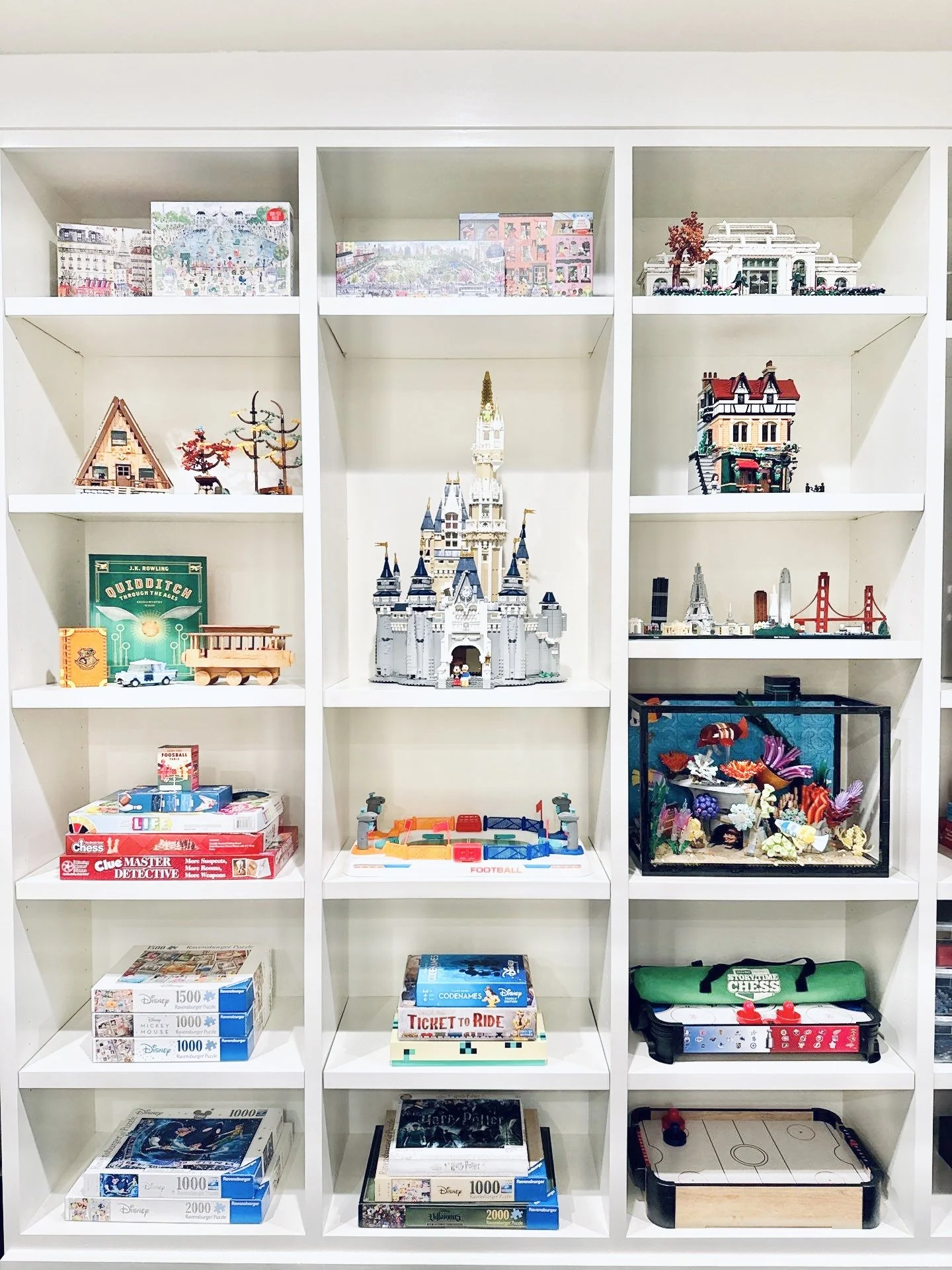
The problem comes when those large projects are the only way you manage clutter. If your approach is to ignore the buildup until you can no longer stand it, you’re constantly moving between the two extremes of disorder and overhaul. That is exhausting. It also makes organization feel harder than it needs to be.
A better, and moreover, easier approach is to deal with things while they’re still small. Put away the item now instead of adding it to a pile. Clear the countertop before the clutter spreads. Drop a shirt you no longer wear into a donation bag instead of hanging it back up for another year. Deal with the five pieces of mail before they become fifty.
These decisions may take only a few minutes, but they prevent small problems from turning into large ones. That is where the idea of five minutes saving five hours comes in. The goal is not to set a timer and organize for exactly five minutes every day. It is to recognize that a small amount of attention now can prevent an entire afternoon of catching up later.
Start Small + Finish What You Start
When your home feels disorganized, it can be tempting to tackle everything all at once. You open a kitchen drawer and find it in disarray. You go put something back into the pantry and notice that it also needs help. You walk into the laundry room for a trash bag, and suddenly you are surrounded by multiple unfinished projects.
Here at Sorted, we recommend that you do the opposite. Choose one contained area whether that be a drawer, cabinet, shelf, or small section of a closet and finish it before moving on.
Pull everything out.
Group similar items together.
Remove anything expired, broken, duplicated, or no longer useful.
Then put back only what belongs there.
That small, completed space gives you a visible win without consuming your entire day. It also changes the way you think about organization. You don’t actually need five or six free hours. You really can improve your home one drawer at a time.
Make Everyday Organization Easy
Small habits work best when your home makes them easy. One of the most common organizing mistakes is storing things wherever there happens to be space instead of where they are actually used. This is where a little thoughtful setup matters.

In a kitchen, for example, everyday dishes and utensils make sense near the dishwasher because that makes unloading easier. Dish towels are most useful near the sink. Pots and pans belong near the range. Food-prep tools should live close to the area where you actually prepare food.
This same principle applies throughout the house. If shoes always pile up by the door, perhaps they need an accessible home near the door. If mail lands on the same countertop every day, create a simple place to collect and sort it there. If children can’t reach the hooks where their backpacks are supposed to go, the system is working against them.
Good organization does not require complicated rules. What it should do is make the easiest choice the right choice. When things have obvious, convenient homes, putting them away takes seconds. That is what makes daily maintenance natural and achievable.
Keep a Donation Bag Going
One of the simplest ways to keep clutter from building up is to stop waiting for a major purge. Keep a donation bag or box somewhere accessible. Then add to it as you notice things you no longer use like a shirt you continually skip over, a kitchen gadget you haven’t touched in years, a toy your child has outgrown, or a decorative item you no longer love. It just kind of sits there ignored and withering away. Let it go. Someone else will love it.
You don’t need to reorganize the entire room. You simply need to make one decision and then move on. Once the bag is full, donate it and start another. This one ongoing habit keeps unnecessary items from quietly accumulating and prevents a future need for a major cleanout. Seasonal decluttering can still be useful, but it becomes a reset rather than a rescue mission.
Pay Attention to the Small Piles
Clutter often begins innocently. A sweater gets draped over a chair. A few papers land on the counter. One toy is left on the floor. Then another item joins it. And another until eventually, the small pile becomes part of the scenery of the room, and clutter blindness sets in.
This is why one of the most useful habits is simply noticing clutter before you become accustomed to seeing it. When you walk past something that is clearly out of place, take a few seconds to deal with it.
Put it away.
Throw it out.
Recycle it.
Donate it.
Move it to the room where it belongs.
Not every item needs immediate attention, of course. Real homes are not museums and are meant to be lived in. However, regularly addressing the small things keeps them from snowballing into the larger projects that can eventually consume your weekends.
Five Minutes Is About Consistency, Not Perfection
An organized home is not a home where nothing is ever out of place. Life happens everyday. Groceries come in. Laundry piles up. Children leave things scattered.
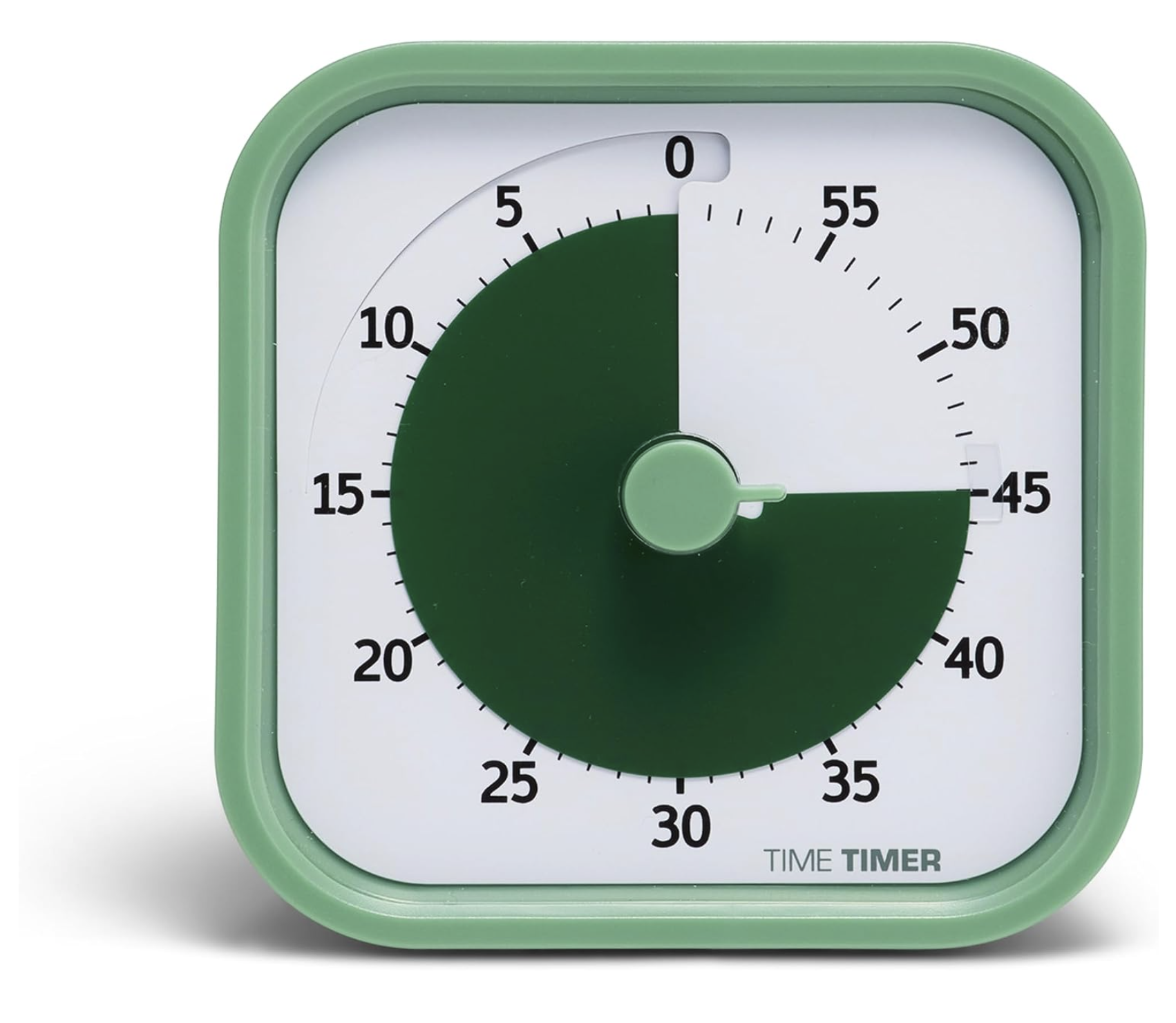
If you expect perfection, organization becomes another source of pressure. If you think of organization as regular maintenance, it becomes much more manageable. Some days you may spend five minutes. Other days you may do nothing. Once in a while, you may need an hour.
Busy weeks happen. The goal is not to maintain a perfectly styled home at all times. The goal is to make it easy to recover. A home with simple, functional routines can get messy and still be reset relatively quickly. What matters is that you are no longer relying on the occasional massive cleanup to keep your home functioning.
The Real Benefit Is Getting Your Time Back
It’s easy to think organization is about neat shelves, attractive baskets, and labeled containers. Those things, while they can certainly be useful, are not the real goal. The real goal is to spend less time managing your stuff, less time searching for things, less time moving clutter from one surface to another, less time reorganizing the same areas over and over, and less time sacrificing weekends to projects you have been putting off for months.
A well-organized home should make everyday life easier. It should reduce friction and support your routines. And it should give you more time and mental space for the things that actually matter to you. That was the lesson that ultimately led to Sorted.
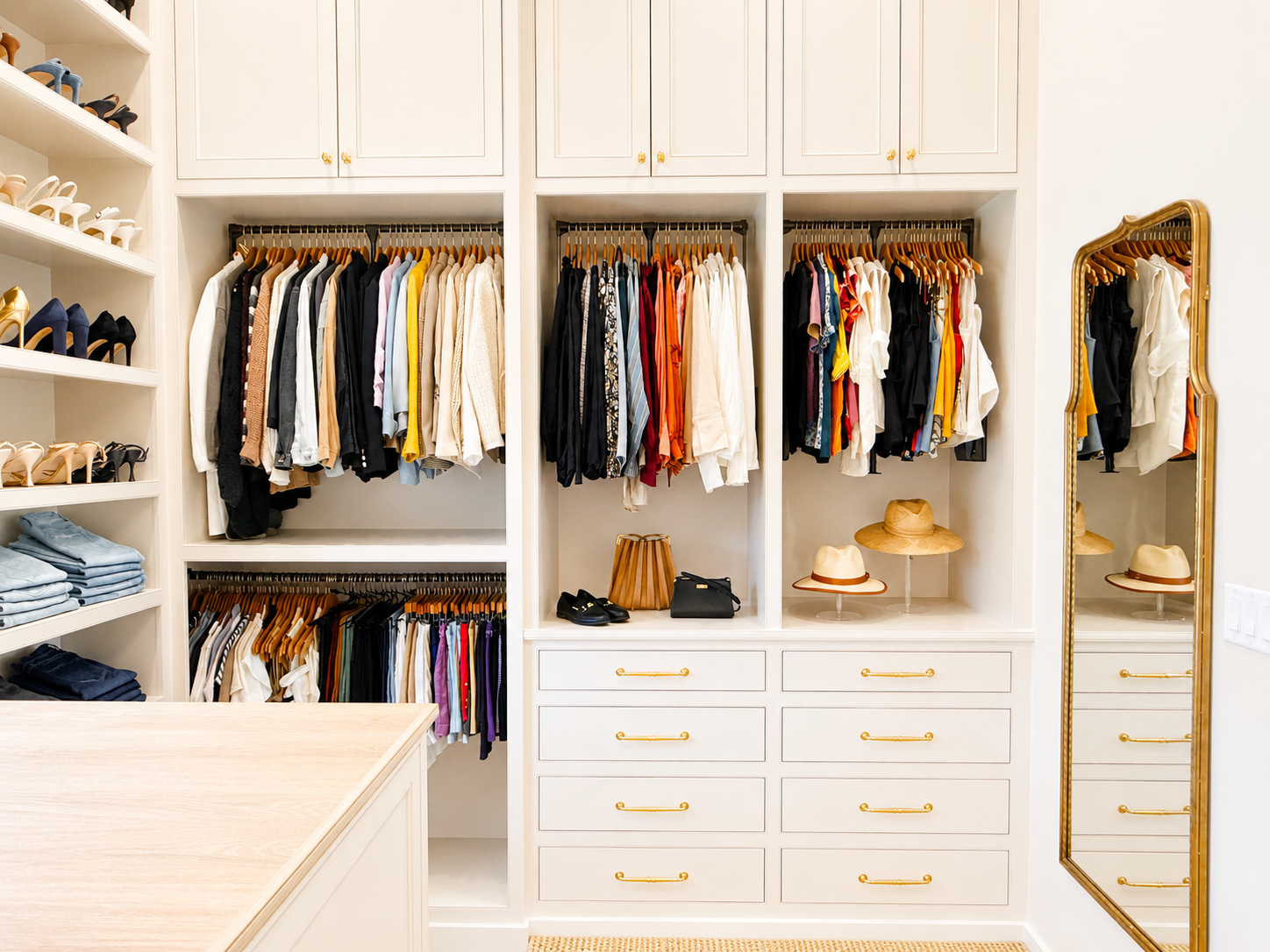
The ultimate transformation is not simply creating a more organized house. Its real magic is setting up your home in a way that requires less effort to manage, leaving more time to actually enjoy life in it. That is the shift worth making.
Stop thinking of organization as something you will finally accomplish one weekend.
Put one thing away.
Clear one small pile.
Remove one thing you no longer need.
Reset one drawer before it becomes a disaster.
Five minutes may not feel like much, but those small decisions, repeated over time, can save you from spending five hours trying to undo months of accumulated clutter. You don’t need to be a weekend warrior. You just need to stop waiting for the weekend.