
Laundry has a sneaky way of spreading beyond the laundry room. You know that chair in the bedroom? The one you bought to sit in, but now it holds two loads of clean clothes? Or maybe it’s a basket beside the bed, towels waiting ever so patiently in the dryer, or the pile on the couch that gets pushed aside whenever someone wants to sit down. You keep washing clothes, and somehow you never feel caught up.
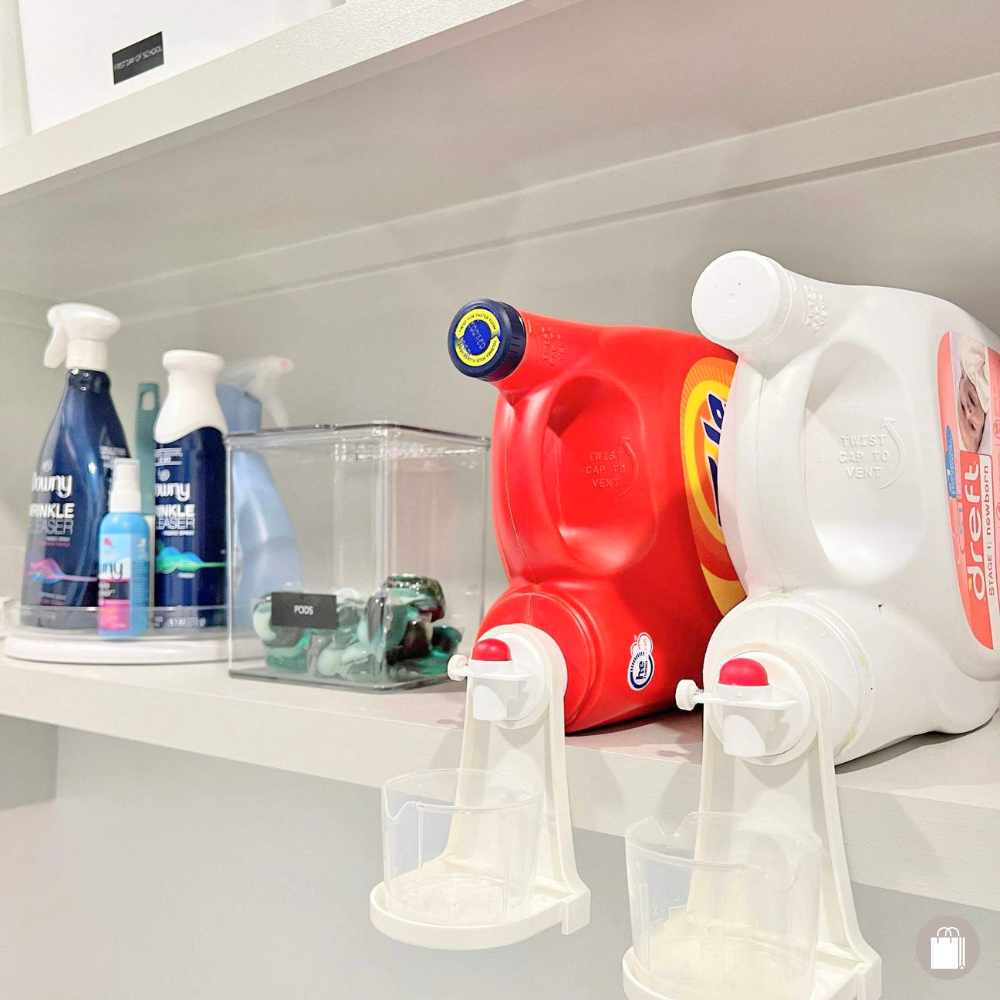
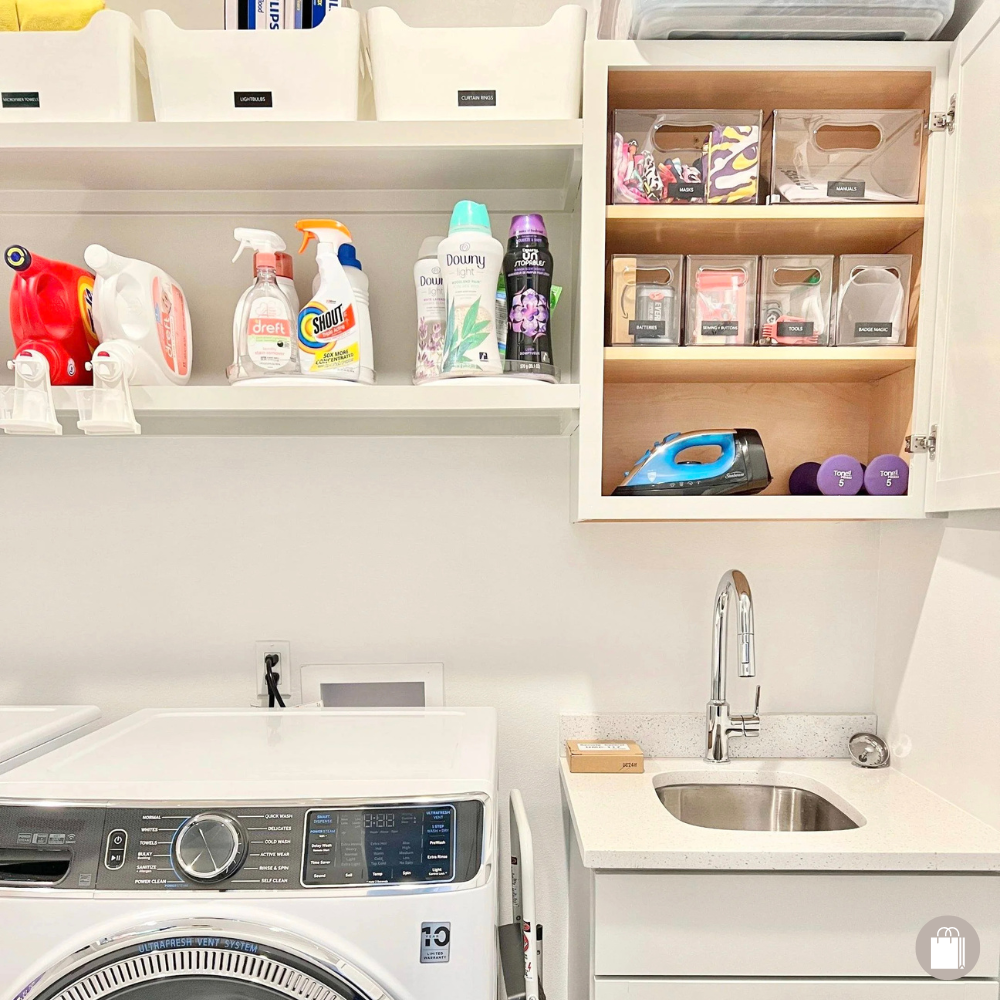
All this might be telling you something about your laundry system, or rather your dire need for one. Because no one wants to spend the larger part of their Saturday washing, drying, folding, and putting away laundry. Believe me when I tell you that it does not have to be that way.
A laundry system that works keeps clothes moving. More importantly, it makes putting them away easy enough that it actually happens. Here's how to build one for your household.
Let go of the idea that laundry should be done
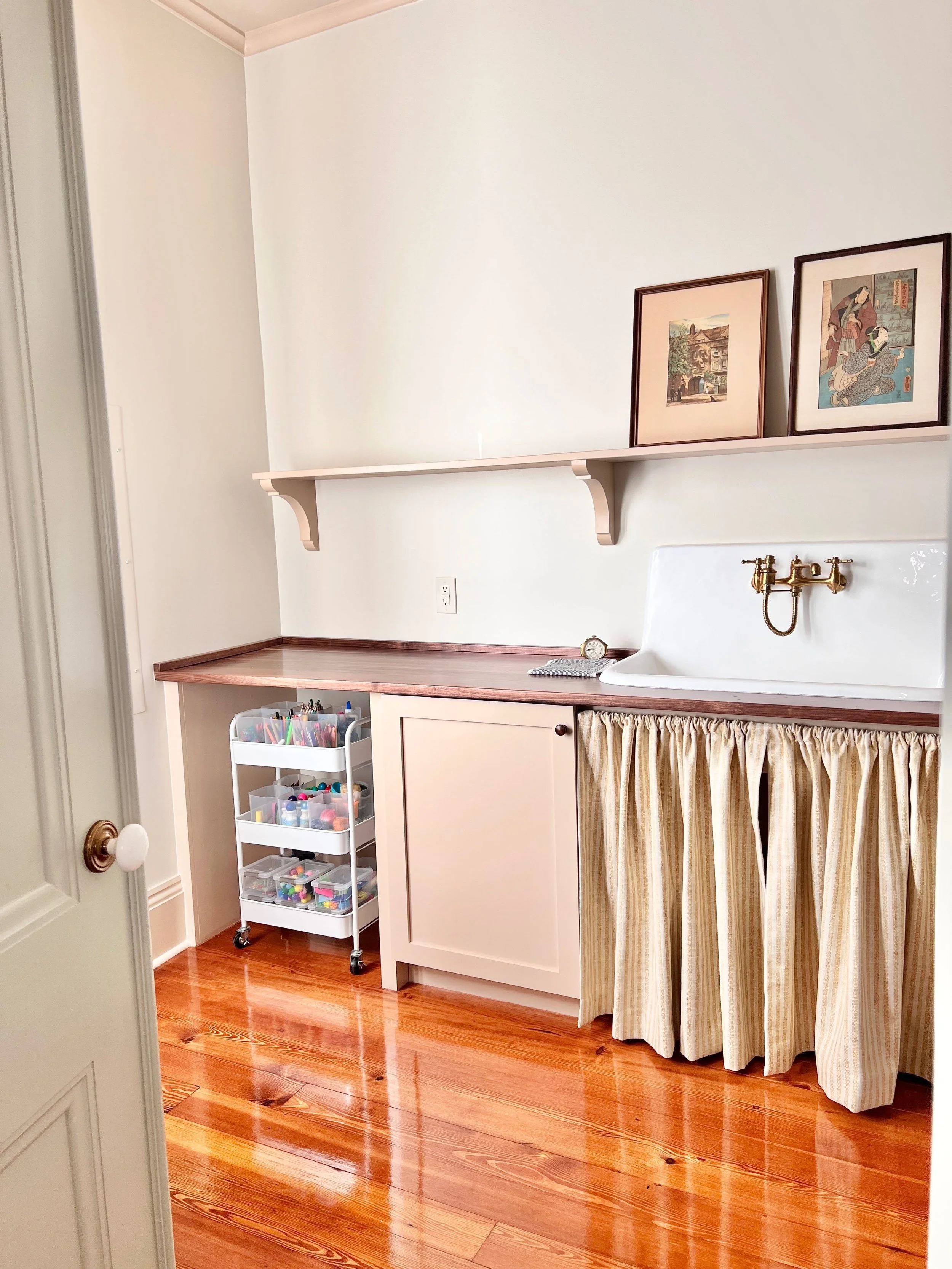
Even if you manage to empty every hamper tonight, there will inevitably be something in one tomorrow. Laundry is in fact a neverending household task, and treating it like a project you can finish forever sets you up for frustration. The goal is to keep it manageable.
One load a day is often easier to handle than six loads on the weekend. If you live alone, you may only need a few loads a week. A larger household may need more frequent washing. Choose a pace that matches what your household needs.
You don't need every piece of clothing clean at the same time. You need some clean clothes everyday, and you might need specific outfits on certain days. Moreover, you need a routine that prevents the piles from taking over.
Choose a sorting system that saves you work
There is no universal rule for organizing your hampers. You might separate lights and darks, keep towels and linens together, or have a designated place for delicates. One approach we love for families is sorting laundry by person when fabric care allows.

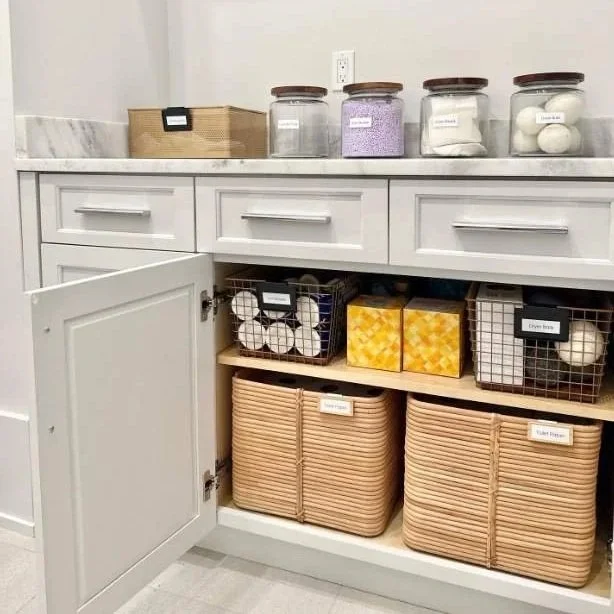
Think about what happens when everyone's clothes go into the same load. Once they're dry, you then have to identify each item to see who each one belongs to, sort them out by type, and finally deliver several piles to different rooms. Keeping each person's laundry in separate loads removes much of that sorting. Their clothes go from their hamper to the washer, through the appropriate drying method, and back to their dresser or closet. This also makes handing off the task easier. A partner, child, or helper can put away one person's load without figuring out whose shorts are whose.
Of course, always separate items that need different care. Check labels, keep delicate garments apart when necessary, and watch for colors that may bleed. The system should save time while still caring for your clothes.
Check your closet before buying another basket
If washing clothes feels easy but putting them away feels annoyingly impossible, try opening a drawer. Can you put a shirt inside without smashing everything down to make them fit? Is there room on your closet rod for another hanger? Or does putting away five things require rearranging twenty others?
These things really matter because storage problems can bring the whole laundry routine to a halting stop. Clean clothes land on the chair because the chair is easier than trying to find space in an overstuffed closet. They stay in a basket because the drawer is already full. Eventually, getting dressed means searching through several places before you can find what you need.
Before adding another laundry basket, consider doing this. Simply make some space where you put your clothes. Let go of items you no longer wear, love, or need. Give everyday clothing an accessible home, with enough room to put it back easily.
Finish one load before creating three more
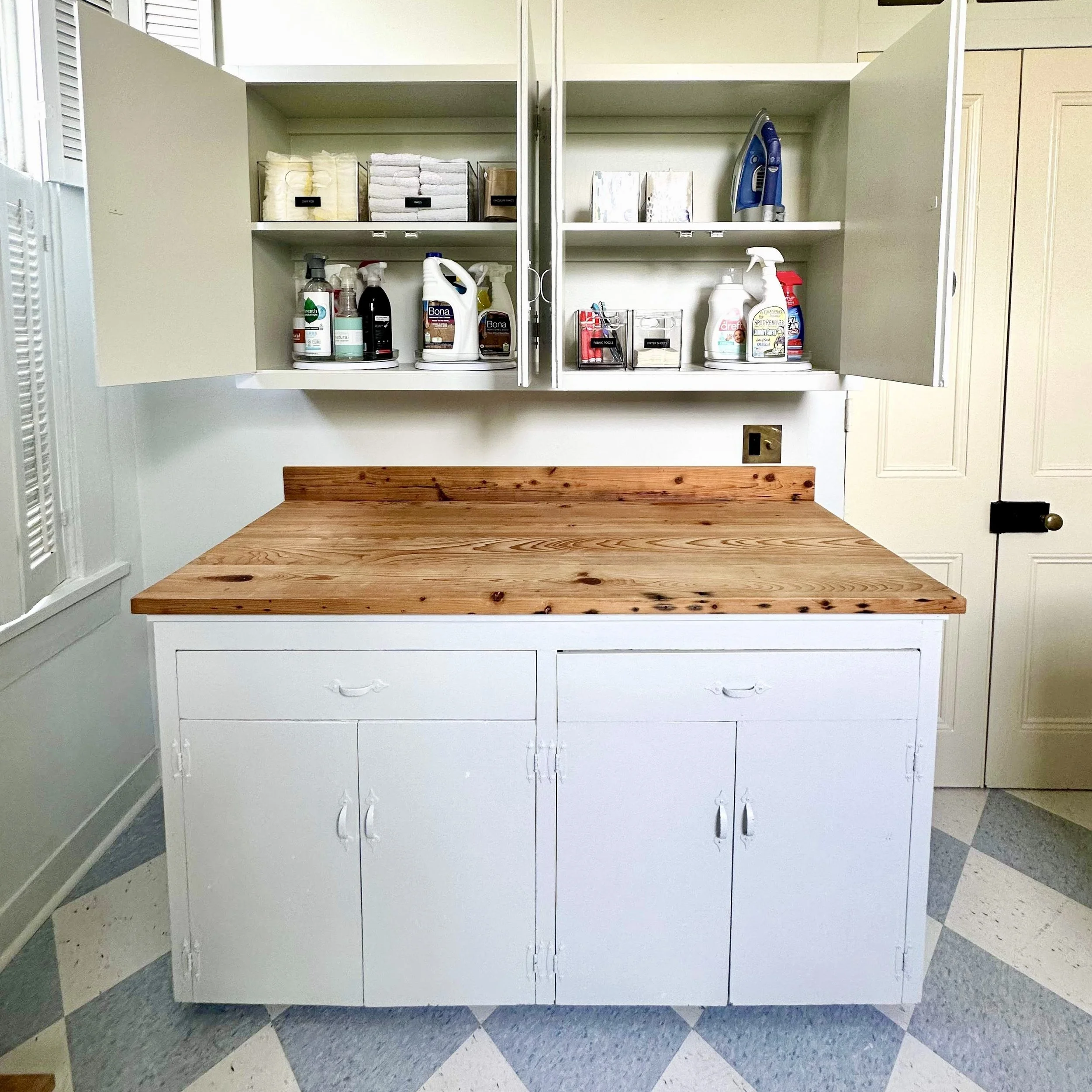
Starting the washer feels productive. Starting another load feels even more productive. But if the first load is still sitting in a basket two days later, you've moved the backlog from dirty clothes to clean ones. To avoid this fate, you must treat putting clothes away as part of the load.
Before starting, consider when you'll have time to transfer, dry, and put everything away. Avoid beginning several loads when you know you won't have time to finish them. One load is a manageable task. Several baskets become something you need to “find time” for.
Whenever possible, fold or hang clothes soon after they're dry. Take them directly to the room where they belong instead of leaving them in a temporary pile. The finishing point here is simple: do not start another load until the clothes are put away, and the empty basket is back in its spot.
Attach laundry to your existing routine
A new daily laundry routine is easier to remember when it connects to something you already do. You might start a load while making coffee, transfer it to the dryer when you get home, and put it away before winding down for bed. If mornings are hectic, choose a different window.
The best schedule is one you can repeat without having to constantly rearrange your day. Set a reminder if you tend to forget clothes in the washer. Decide when sheets and towels fit into the week so they don't accumulate alongside everything else.
Above all, leave room for real life. Missing a day doesn't mean the system failed. Resume with the next manageable load, and adjust if you're regularly falling behind.
Make putting clothes away easier
Don't organize for any idealized version of yourself. If you know you won't carefully fold every pair of pajamas, don't create a system that depends on it. Kids' underwear, pajamas, and play clothes may do perfectly well in separate bins or loosely folded stacks.
Drawer dividers can keep categories from mixing together without requiring precise folding. Keep empty hangers nearby so shirts can go straight onto them. Store frequently used laundry supplies where they're easy to reach.
Look for small obstacles you seem to encounter with every load. Are you repeatedly hunting for hangers? Clearing a counter before you can fold? Carrying clothes between rooms unnecessarily? Removing those obstacles can make the routine easier to maintain, especially on busy days when you have very little patience left for household chores.
Give everyone a clear responsibility
The responsibility for laundry shouldn't automatically belong to one person. Even children can participate in ways appropriate to their age and abilities. Younger children can put dirty clothes in a hamper or place socks in a drawer. Older ones can fold, put clothes away, and gradually learn to wash their own loads.
Try making assignments specific. “Put your clean clothes away after dinner” is easier to follow than “Help with the laundry.”
Be sure to check the setup, too. Children need to reach their drawers, baskets, and closet rods. Adults need to know where things belong without asking. If only one person understands the system, simplify it until everyone can use it independently.
Keep the backlog from coming back
A few small choices can help your laundry system keep working:
Limit extra baskets. Keep enough to move laundry comfortably without creating endless places to store clean clothes.
Protect your folding space. A clear counter is useful; one covered in unrelated household items creates another thing to do.
Give exceptions a home. Set aside a small spot for stain treatment, repairs, and dry cleaning, and check it regularly.
Keep a donation bag nearby. When you notice something no longer fits or gets worn, set it aside.
Plan around predictable shortages. If uniforms or socks constantly run out, review the washing schedule before automatically buying more.
More clothing can stretch the time between washes, but it also allows a bigger pile to build. Before you buy anything new, consider whether or not you actually need it.
Start with the step where you get stuck
You don't need to overhaul your entire laundry room today. Just start somewhere. For example, if you have clean clothes sitting in baskets, make some room in your drawers and finish one load. If sorting takes forever, try keeping each person's laundry together. If you forget wet clothes, set a reminder.
Choose the change that addresses your biggest sticking point, then build from there. Laundry will always be part of life, but with a workable routine and an easy place for everything to go, it doesn't have to consume your life. About fifteen minutes of hands-on laundry time each day certainly beats sacrificing an entire Saturday to catch up.