
How to Optimize Your Closet Space
A well-organized closet can transform your mornings, your mindset, and even your style. Whether you’re working with a walk-in or a reach-in closet, maximizing the space you already have comes down to strategy and a little editing.
In our work with clients, the clothes closet is almost always the most challenging spot in the home. It holds more than just what we wear. It holds sizes from different seasons of life, “someday” outfits, gifts we feel guilty donating, things we spent money on but we don’t wear and pieces tied to memories. We see two challenges over and over—emotional (letting go is hard!) and spatial (there’s only so much hanging room). That combo fuels decision fatigue, floor piles, and the classic “I have nothing to wear” spiral.
When we make space for what actually fits, feels good, and gets worn, the closet stops arguing with you every morning and becomes a calm, easy to navigate space that supports your day instead of slowing it down.
Below are the exact strategies we use on our projects to ease the emotions, reclaim every inch, and make your closet work beautifully…without a full renovation.
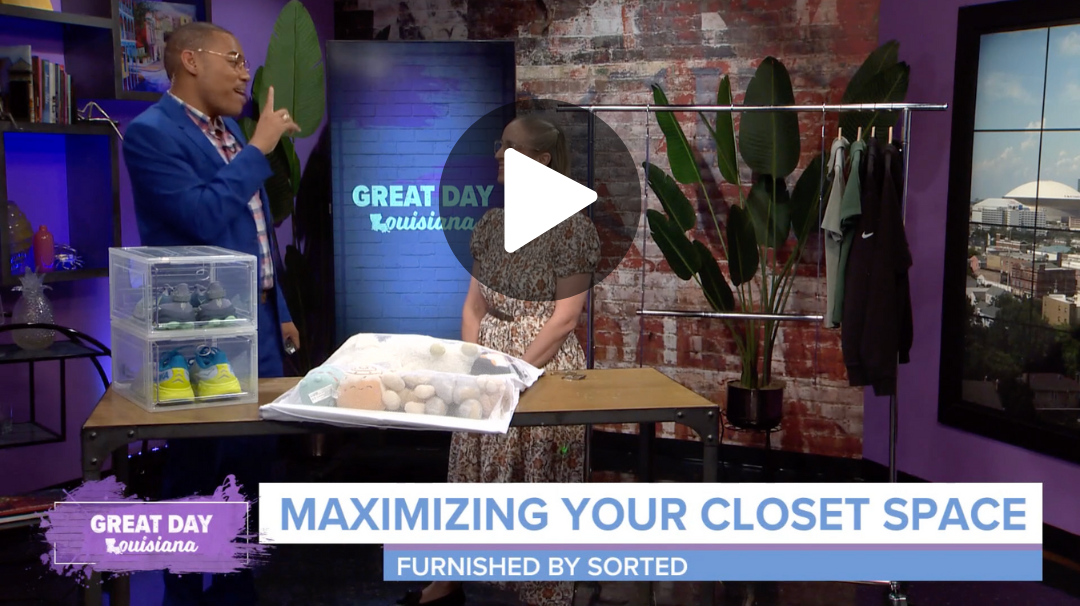
Here are our top tips for creating a closet that truly works for you.
1. Start with less + only keep what you love
The most effective way to optimize your closet is to match the contents to the actual capacity of your space. That starts with an edit: pull everything out by category, try things on, and be honest about fit, comfort, condition, and how often you truly wear each piece. Sort into clear keep / donate / sell / tailor piles, and use firm boundaries (your hanger count or linear feet of rod) so only what fits comfortably goes back. When you keep only what you love and reach for, the space feels intentional, peaceful, and easy to maintain. Overstuffing a closet is the fastest way to lose track of what you own and to make getting dressed feel stressful instead of simple.
2. Clear the floor first
When we walk into a closet that needs organizing, we always look at the floor first. If it’s covered in clothes, bags, or shoes, it’s not a sign of laziness, it’s a sign that the system isn’t working. When it’s not easy to put things back, piles start to grow. If hanging is cramped, shelves are overloaded, or there’s no obvious spot for “not sure” items, things land on the ground. The goal is to get everything off the floor and give each item a proper home. Then once the floor is clear, you can move freely, and the space finally works the way it should.
3. Think vertically and creatively
Closets aren’t just about rods and shelves. There’s often a lot of unused vertical space that can easily be reclaimed. Try:
Double-hang rod extenders to instantly double your hanging space.
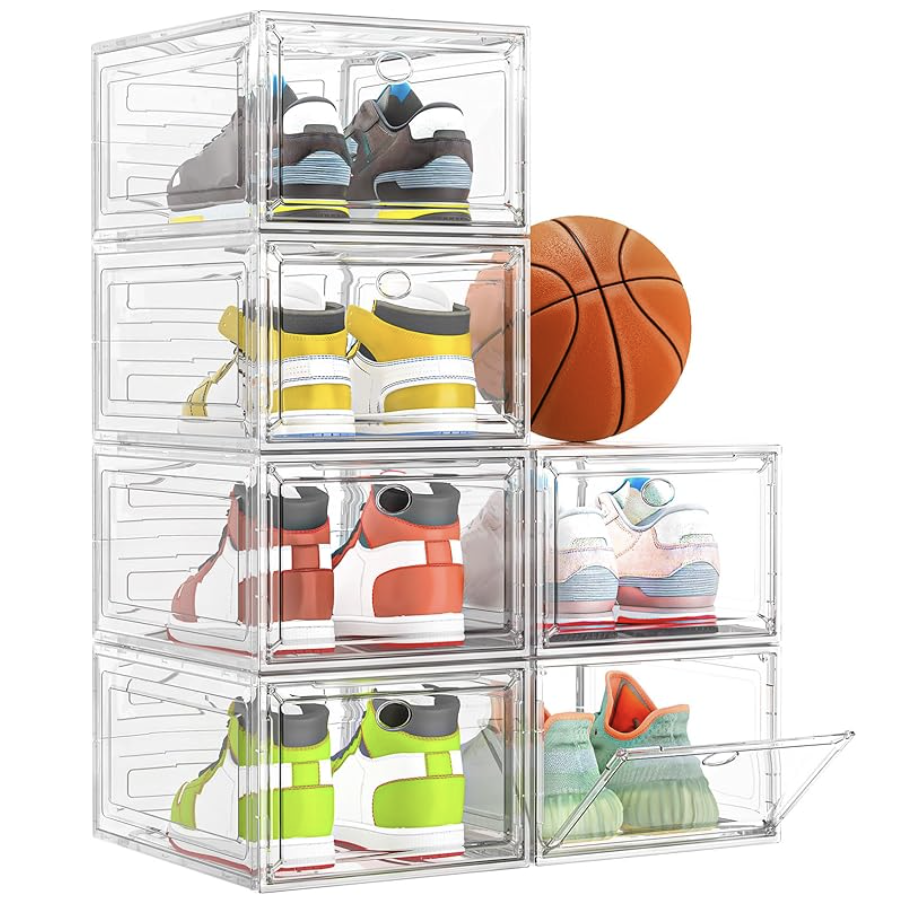
Stacking bins or an extra shelf to make use of that tall gap above the top shelf.
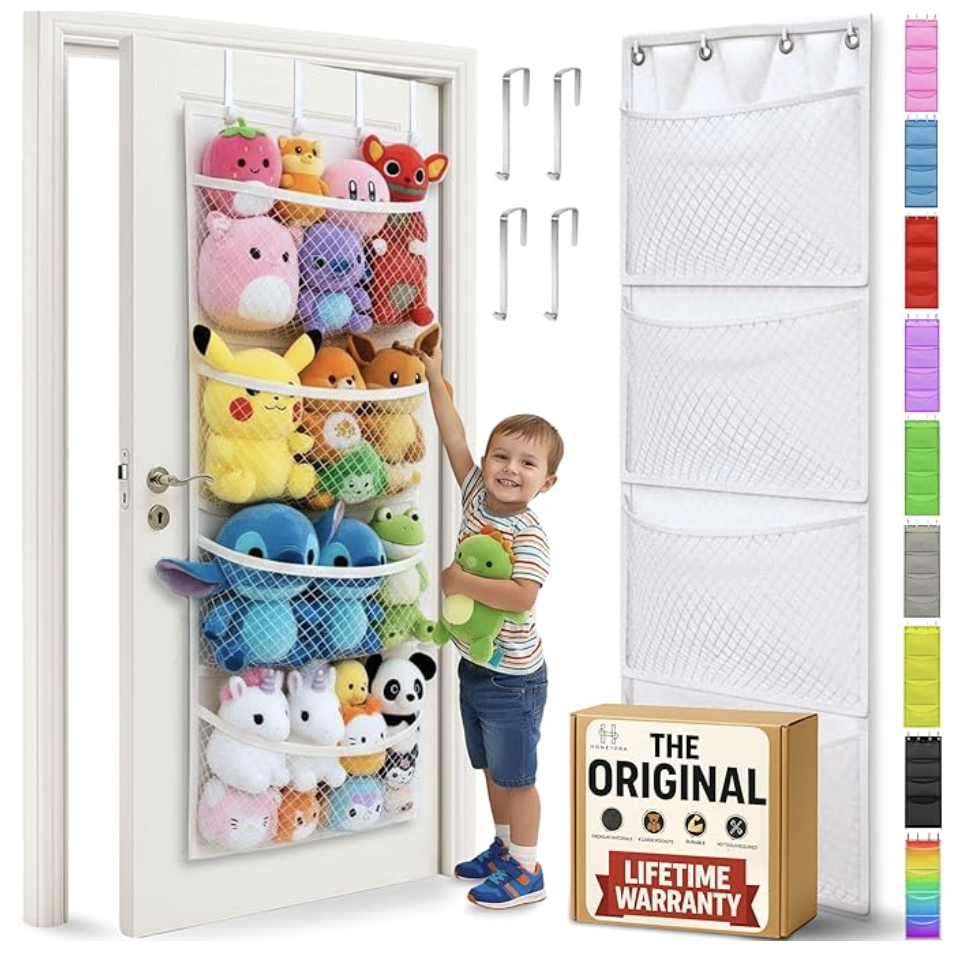
Behind-the-door organizers for shoes, scarves, belts, or small accessories.
Measure before you buy. Note ceiling height, shelf depth, and door clearance so over-the-door organizers can close cleanly. A little planning turns “empty air” into hardworking storage. Every inch counts, and thinking beyond the standard layout makes a huge difference.
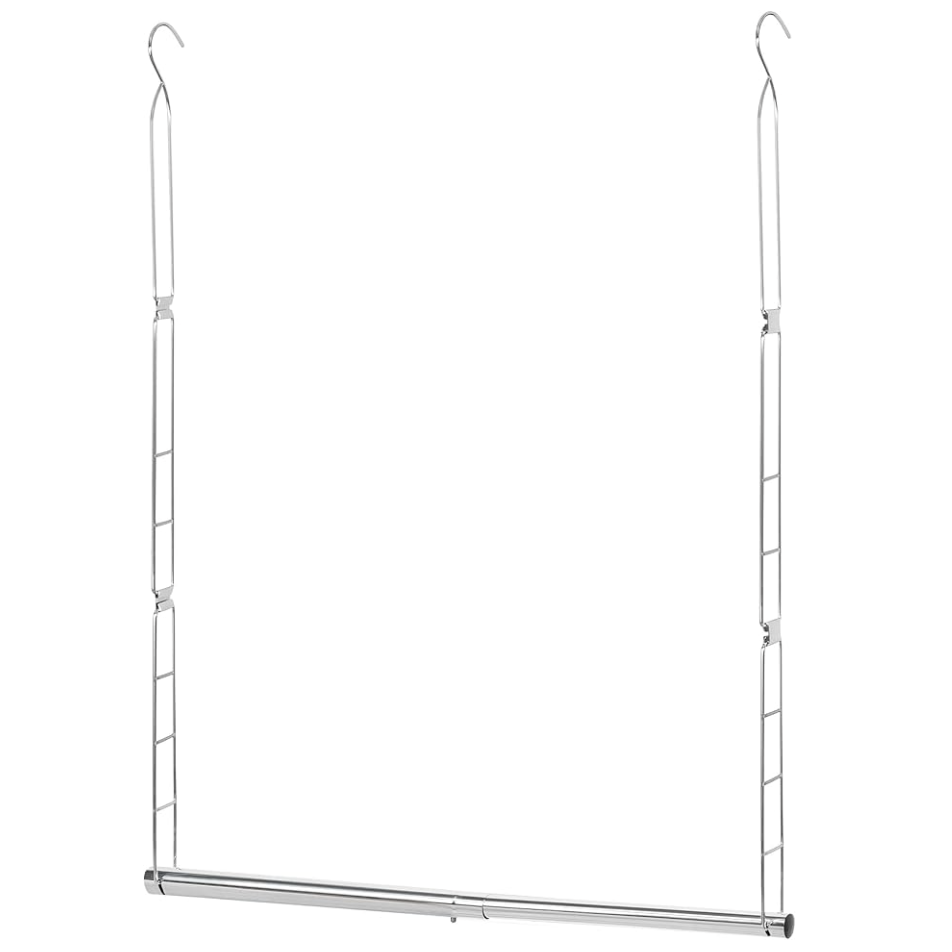
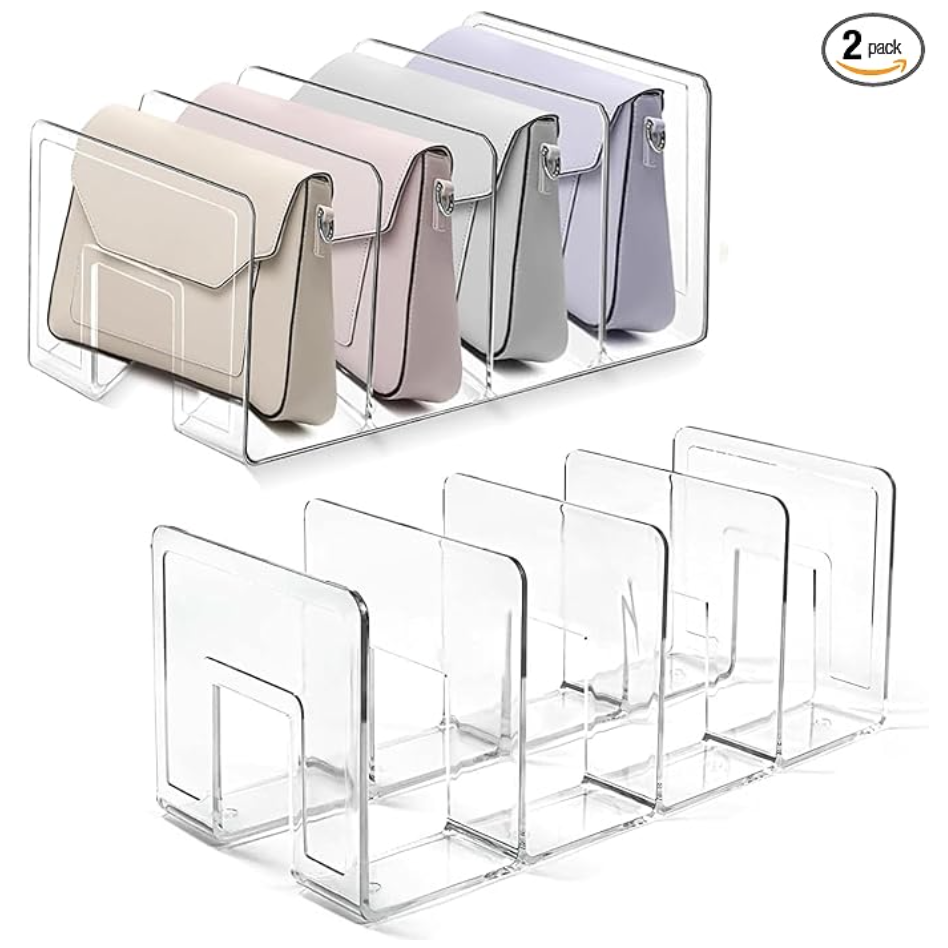
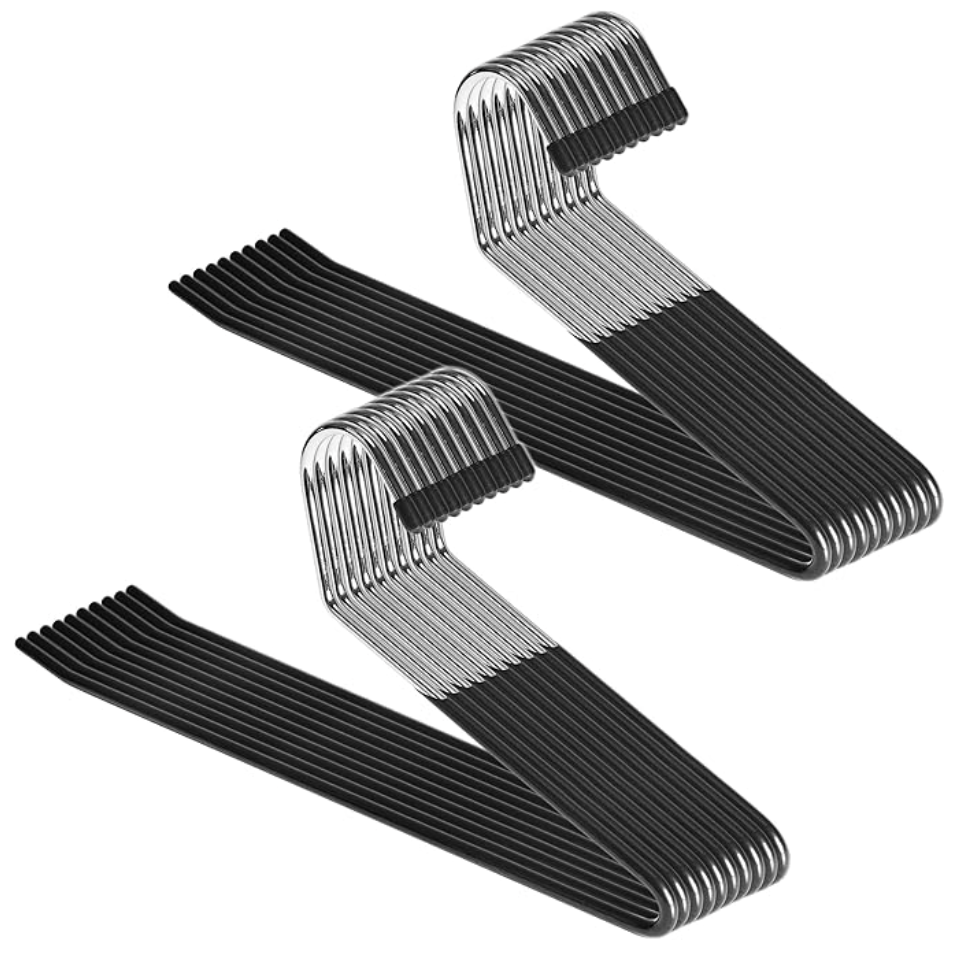
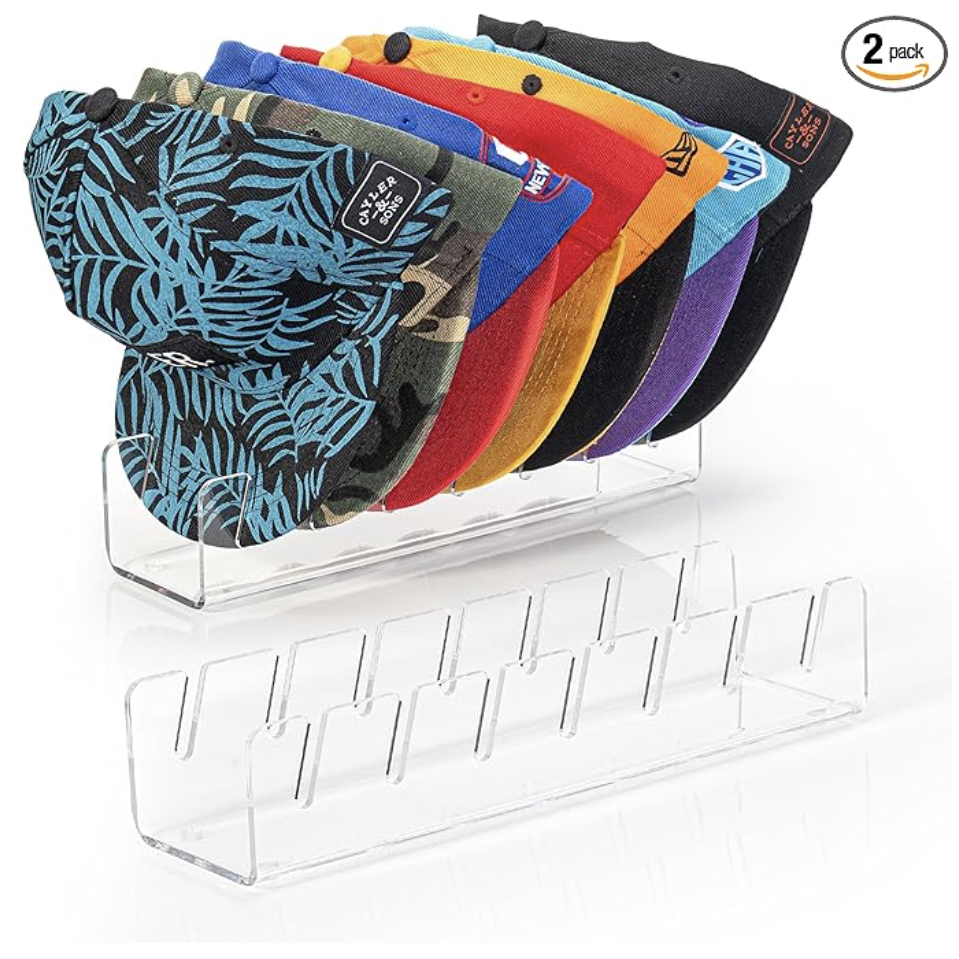
4. Make use of forgotten spaces
Most closets waste vertical space. If your closet has one high shelf and a lot of empty air above it, you’re missing valuable storage. Especially in New Orleans homes with high ceilings, adding a second shelf or using stacking bins can unlock a ton of extra room.
And don’t forget about the back of the door. It’s the perfect spot for small accessories that tend to clutter up shelves.
5. Know when it’s time to edit
If you can’t easily slide hangers or see what you own, it’s too full. A closet should feel breathable, not packed. If putting away clean clothes feels like a chore or you constantly think, “I have nothing to wear,” even though your closet looks full, that’s your cue. It’s time to pare back and make space for what you actually reach for.
The bottom line
An organized closet isn’t just about products or systems, it’s about alignment. When the space reflects your current lifestyle and wardrobe, it supports you every day instead of working against you.